Genre is any form or type of communication in any mode (written, spoken, digital, artistic, etc.) with socially-agreed upon conventions developed over time. Genre is most popularly known as a category of literature, music, or other forms of art or entertainment, whether written or spoken, audio or visual, based on some set of stylistic criteria, yet genres can be aesthetic, rhetorical, communicative, or functional. Genres form by conventions that change over time as new genres are invented and the use of old ones is discontinued. Often, works fit into multiple genres by way of borrowing and recombining these conventions. Stand alone texts, works, or pieces of communication may have individual styles, but genres are amalgams of these texts based on agreed upon or socially inferred conventions. Some genres may be rigid with strictly adhered to guidelines while others may be very flexible.
Genre began as an absolute classification system for ancient Greek literature. Poetry, prose, and performance each had a specific and calculated style that related to the theme of the story. Speech patterns for comedy would not be appropriate for tragedy, and even actors were restricted to their genre under the assumption that a type of person could tell one type of story best. In later periods genres proliferated and developed in response to changes in audiences and creators. Genre became a dynamic tool to help the public make sense out of unpredictable art. Because art is often a response to a social state, in that people write/paint/sing/dance about what they know about, the use of genre as a tool must be able to adapt to changing meanings.
Fiction
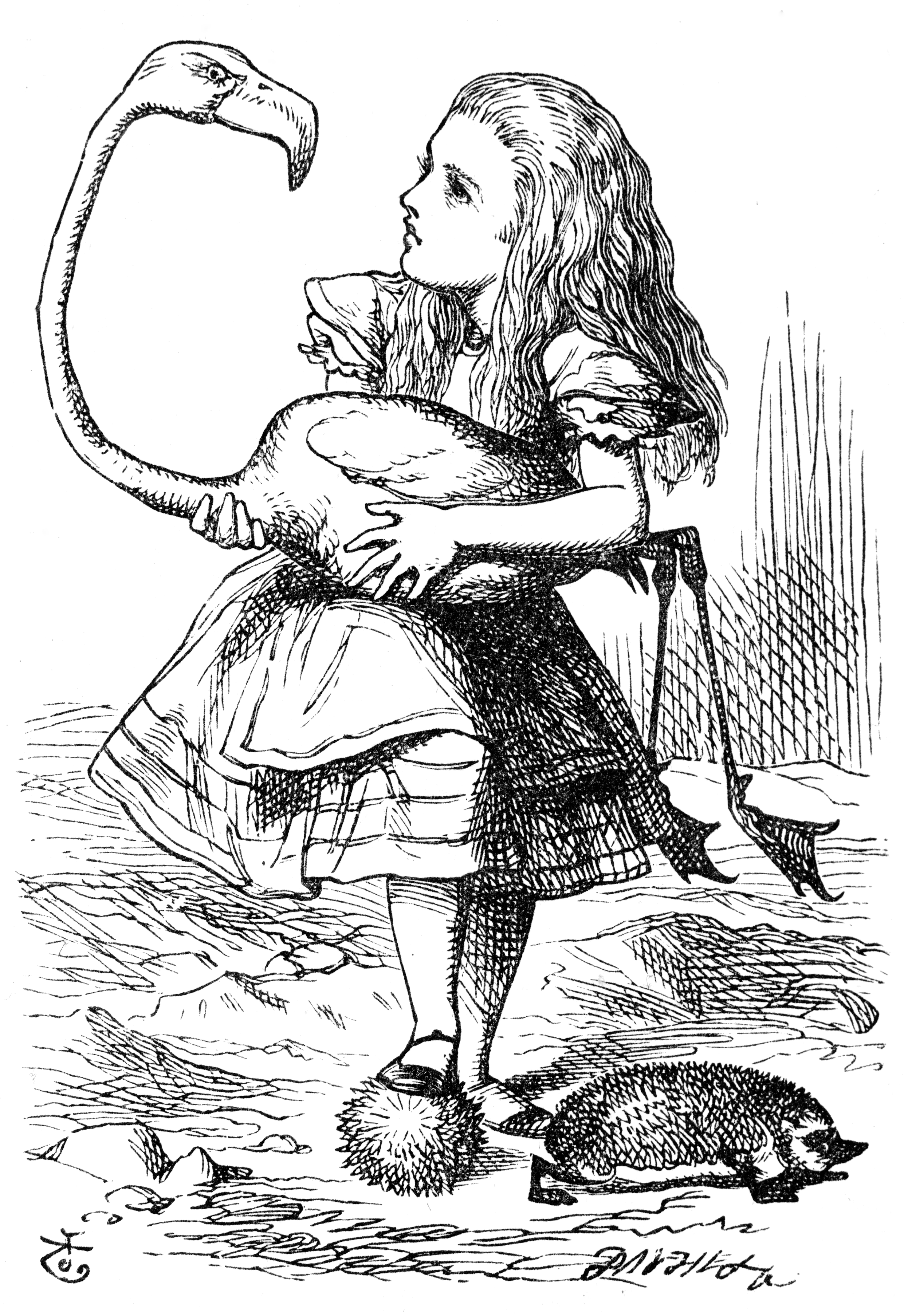
Fiction is the classification for any story or similar work derived from imagination—in other words, not based strictly on history or fact.Fiction can be expressed in a variety of formats, including writings, live performances, films, television programs, animations, video games, and role-playing games, though the term originally and most commonly refers to the narrative forms of literature (see literary fiction), including the novel, novella, short story, and play. Fiction does not refer to a specific mode or genre, unless used in its narrowest sense to mean a "literary narrative". Fiction is traditionally regarded as the opposite of non-fiction, whose creators assume responsibility for presenting only the historical and factual truth; however, the distinction between fiction and non-fiction can be blurred, for example, in postmodern literature.
A work of fiction is an act of creative invention; its total faithfulness to reality is not typically assumed by its audience,and so it is not expected to present only characters who are actual people or descriptions that are factually accurate. Instead, the context of fiction is generally open to interpretation, due to fiction's freedom from adhering exactly to the real world. Characters and events within a fictional work may even be openly set in their own context entirely separate from the known universe: a fictional universe.
Narrative
A narrative or story is a report of connected events, real or imaginary, presented in a sequence of written or spoken words, or still or moving images, or both. The word derives from the Latin verb narrare, "to tell", which is derived from the adjective gnarus, "knowing" or "skilled".
Narrative can be organized in a number of thematic or formal categories: non-fiction (such as definitively including creative non-fiction, biography, journalism, transcript poetry, and historiography); fictionalization of historical events (such as anecdote, myth, legend, and historical fiction); and fiction proper (such as literature in prose and sometimes poetry, such as short stories, novels, and narrative poems and songs, and imaginary narratives as portrayed in other textual forms, games, or live or recorded performances).
Narrative is found in all forms of human creativity, art, and entertainment, including speech, literature, theatre, music and song, comics, journalism, film, television and video, radio, gameplay, unstructured recreation, and performance in general, as well as some painting, sculpture, drawing, photography, and other visual arts (though several modern art movements refuse the narrative in favor of the abstract and conceptual), as long as a sequence of events is presented.
Lyrics

Lyrics are words that make up a song usually consisting of verses and choruses. The writer of lyrics is a lyricist. The words to an extended musical composition such as an opera are, however, usually known as a "libretto" and their writer, as a "librettist". The meaning of lyrics can either be explicit or implicit. Some lyrics are abstract, almost unintelligible, and, in such cases, their explication emphasizes form, articulation, meter, and symmetry of expression. Rappers can also create lyrics (often with a variation of rhyming words) that are meant to be spoken rhythmically rather than sung.
Stop All the Clock, Cut off the Telephone
W. H. Auden
Stop all the clocks, cut off the telephone,
Prevent the dog from barking with a juicy bone,
Silence the pianos and with muffled drum
Bring out the coffin, let the mourners come.
Let aeroplanes circle moaning overhead
Scribbling on the sky the message He Is Dead,
Put crepe bows round the white necks of the public doves,
Let the traffic policemen wear black cotton gloves.
He was my North, my South, my East and West,
My working week and my Sunday rest,
My noon, my midnight, my talk, my song;
I thought that love would last for ever: I was wrong.
The stars are not wanted now: put out every one;
Pack up the moon and dismantle the sun;
Pour away the ocean and sweep up the wood.
For nothing now can ever come to any good.