
Literature, in its broadest sense, is any single body of written works. More restrictively, literature is writing that is considered to be an art form, or any single writing deemed to have artistic or intellectual value, often due to deploying language in ways that differ from ordinary usage. Its Latin root literatura/litteratura (derived itself from littera: letter or handwriting) was used to refer to all written accounts, though contemporary definitions extend the term to include texts that are spoken or sung (oral literature). Literature can be classified according to whether it is fiction or non-fiction and whether it is poetry or prose; it can be further distinguished according to major forms such as the novel, short story or drama; and works are often categorized according to historical periods or their adherence to certain aesthetic features or expectations (genre).
Literature type=Genre
Genre , "kind" or "sort", from Latin genus, is any form or type of communication in any mode (written, spoken, digital, artistic, etc.) with socially-agreed upon conventions developed over time. Genre is most popularly known as a category of literature, music, or other forms of art or entertainment, whether written or spoken, audio or visual, based on some set of stylistic criteria, yet genres can be aesthetic, rhetorical, communicative, or functional. Genres form by conventions that change over time as new genres are invented and the use of old ones is discontinued. Often, works fit into multiple genres by way of borrowing and recombining these conventions. Stand alone texts, works, or pieces of communication may have individual styles, but genres are amalgams of these texts based on agreed upon or socially inferred conventions. Some genres may be rigid with strictly adhered to guidelines while others may be very flexible.
Fiction
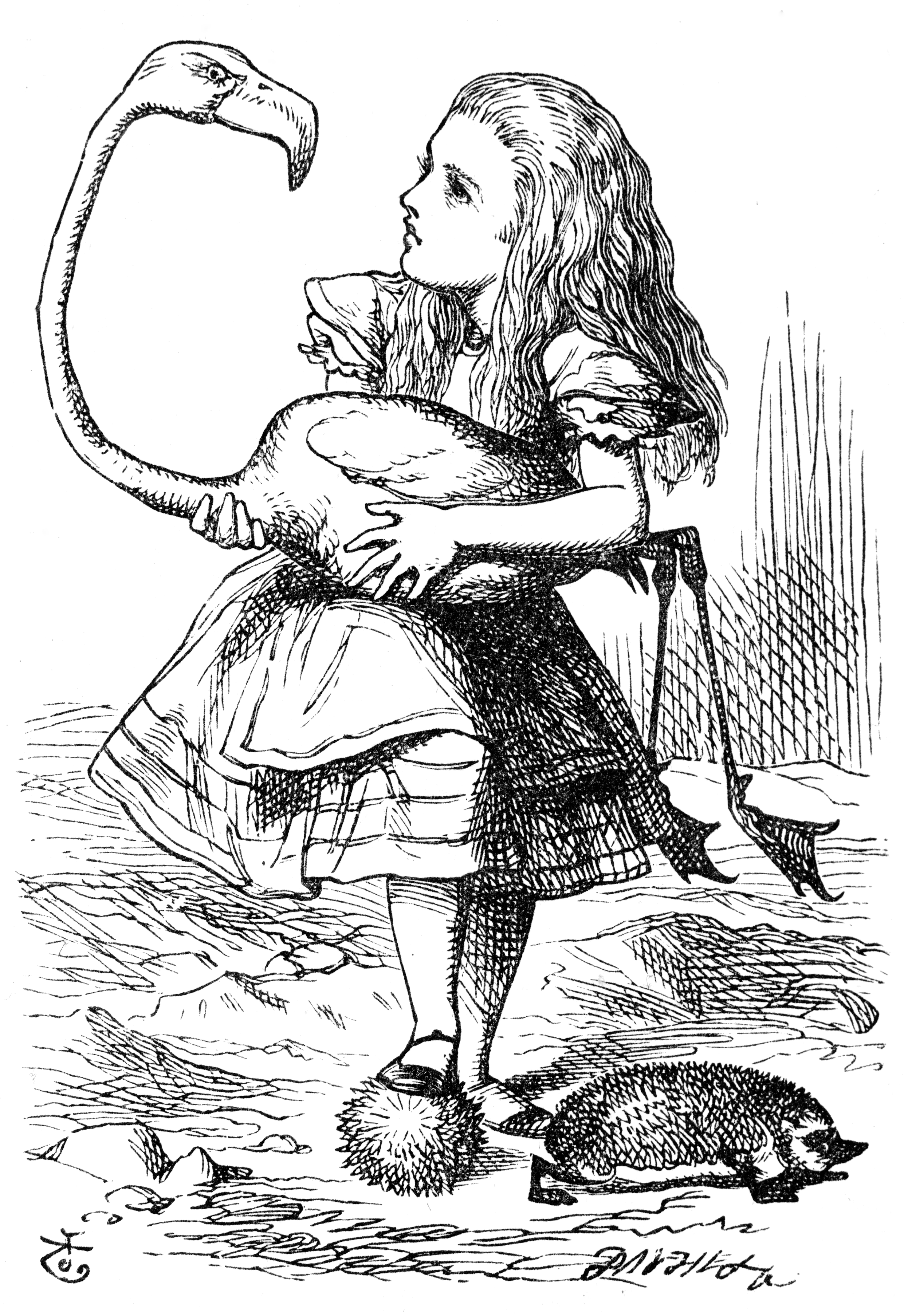
Fiction is the classification for any story or similar work derived from imagination—in other words, not based strictly on history or fact. Fiction can be expressed in a variety of formats, including writings, live performances, films, television programs, animations, video games, and role-playing games, though the term originally and most commonly refers to the narrative forms of literature (see literary fiction), including the novel, novella, short story, and play. Fiction does not refer to a specific mode or genre, unless used in its narrowest sense to mean a "literary narrative". Fiction is traditionally regarded as the opposite of non-fiction, whose creators assume responsibility for presenting only the historical and factual truth; however, the distinction between fiction and non-fiction can be blurred, for example, in postmodern literature.
Poetry

Poetry (the term derives from a variant of the Greek term, poiesis, "making") is a form of literature that uses aesthetic and rhythmic qualities of language—such as phonaesthetics, sound symbolism, and metre—to evoke meanings in addition to, or in place of, the prosaic ostensible meaning.
Drama

Drama is the specific mode of fiction represented in performance. The term comes from a Greek word meaning "action" , which is derived from "I do" . The two masks associated with drama represent the traditional generic division between comedy and tragedy. They are symbols of the ancient Greek Muses, Thalia, and Melpomene. Thalia was the Muse of comedy (the laughing face), while Melpomene was the Muse of tragedy (the weeping face). Considered as a genre of poetry in general, the dramatic mode has been contrasted with the epic and the lyrical modes ever since Aristotle's Poetics (c. 335 BCE)—the earliest work of dramatic theory.
Plot(narrative)

Plot refers to the sequence of events inside a story which affect other events through the principle of cause and effect. The causal events of a plot can be thought of as a series of sentences linked by "and so". Plots can vary from simple structures such as in a traditional ballad to complex interwoven structures sometimes referred to as an imbroglio. The term plot can serve as a verb and refer to a character planning future actions in the story.
In the narrative sense, the term highlights the important points which have important consequences within the story, according to Ansen Dibell. The term is similar in meaning to the term storyline.
Freytag
In 1863, Gustav Freytag, a German writer, advocated a model based upon Aristotle's theory of tragedy. This is now called "Freytag's pyramid," which divides a drama into five parts, and provides function to each part. These parts are: exposition, rising action, climax, falling action, and denouement.


沒有留言:
張貼留言